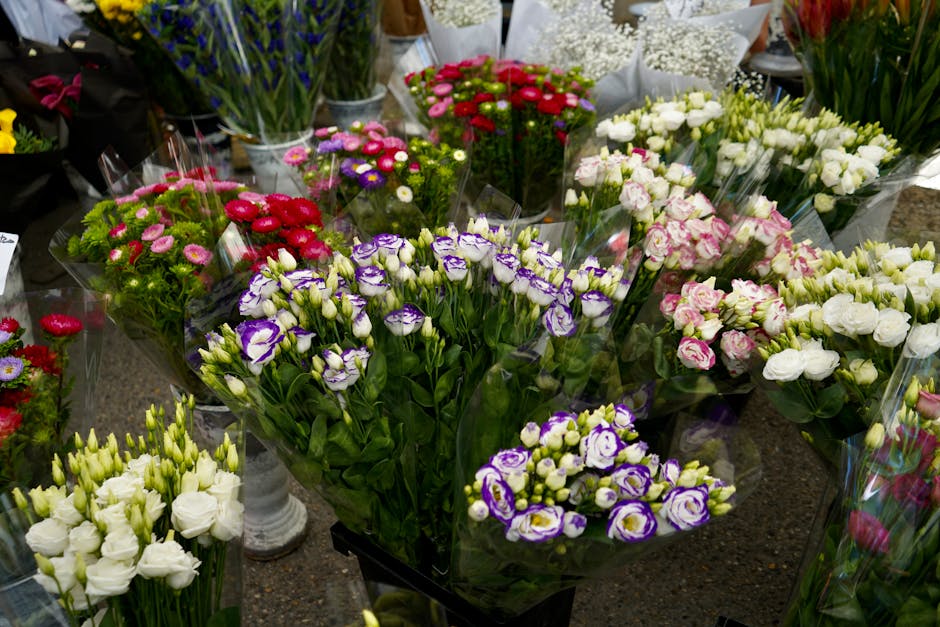
Southwark council rules for flower stalls in Elephant and Castle
Posted on 24/10/2026
If you are planning a flower stall in Elephant and Castle, the rules can feel a bit like a moving target at first. One minute you are thinking about buckets, stems, and footfall; the next you are trying to understand licences, permissions, trading conditions, and where the stall can actually stand without causing trouble. The good news is that once you break it down, Southwark council rules for flower stalls in Elephant and Castle are much more manageable than they look on paper.
This guide explains the practical side of setting up, operating, and staying compliant. You will find the main considerations, the usual process, common mistakes, and the day-to-day details that often get missed. If you are a local florist, a market trader, a mobile seller, or someone exploring a pop-up flower stand near Elephant and Castle, this should help you make a calmer, smarter plan. Truth be told, a little preparation saves a lot of back-and-forth later.
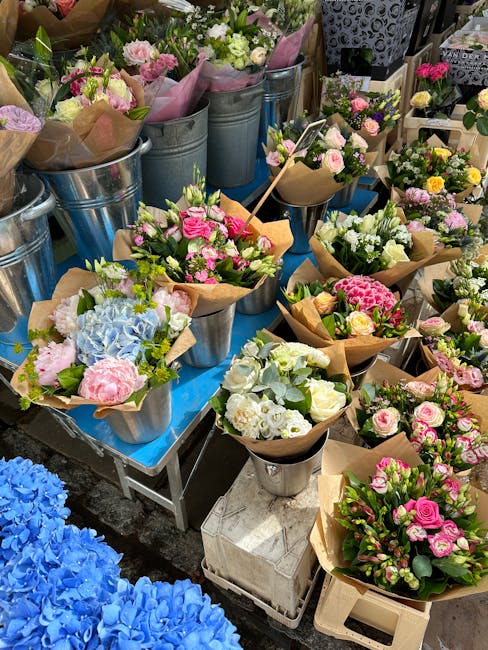
Table of Contents
- Why Southwark council rules for flower stalls in Elephant and Castle Matters
- How Southwark council rules for flower stalls in Elephant and Castle Works
- Key Benefits and Practical Advantages
- Who This Is For and When It Makes Sense
- Step-by-Step Guidance
- Expert Tips for Better Results
- Common Mistakes to Avoid
- Tools, Resources and Recommendations
- Law, Compliance, Standards, or Best Practice
- Options, Methods, or Comparison Table
- Case Study or Real-World Example
- Practical Checklist
- Conclusion
- Frequently Asked Questions
Why Southwark council rules for flower stalls in Elephant and Castle Matters
Flower stalls are simple in spirit, but they sit inside a very real public-space environment. That matters because Elephant and Castle is busy, highly visible, and shaped by a mix of pedestrian movement, transport routes, nearby businesses, and local residents. A stall that looks charming in one setting can become a nuisance in another if it blocks footfall, spills into the wrong space, or creates issues with access. So yes, the rules matter. A lot.
For traders, the main reason to understand the framework is straightforward: you want to trade without being moved on, fined, refused permission, or left in the awkward position of having stock ready but nowhere approved to sell it. For customers, the rules help keep the area safe, walkable, and pleasant. For the council, they help balance trading opportunities with public amenity, access, and neighbourhood order. It is not glamorous, but it is the bit that keeps the whole thing working.
There is also a business reason. A compliant stall tends to look more professional. People notice. They may not be able to explain why, but they feel the difference. A tidy pitch, sensible signage, and a well-run layout give buyers confidence that the flowers will be fresh and the seller knows what they are doing. That first impression can be worth more than a few extra blooms on display.
Practical takeaway: if your setup depends on a particular pavement corner, transport exit, or high-footfall spot, assume you will need to prove that it can operate safely and legally rather than just hoping for the best.
How Southwark council rules for flower stalls in Elephant and Castle Works
In practice, council rules for a flower stall usually revolve around where you can trade, what type of permission you need, how the stall is set out, and what conditions you must follow once you start. The details can vary depending on the exact location, the type of trading, and whether the pitch is on public land, private land, a market site, or adjacent to another controlled area.
That is the first thing to understand: not every flower stall is regulated in the same way. A fixed stall, a mobile cart, a temporary pop-up, and a market pitch may each sit under different permissions or site-specific conditions. If you are near Elephant and Castle station, a busy road edge, or a shopping frontage, the practical expectations can become even more specific.
Usually, you should expect to deal with some combination of the following:
- permission to use a particular pitch or trading space
- rules about hours of operation
- requirements about keeping pavements clear
- limitations on size, display height, or equipment placement
- waste management expectations
- public safety and access considerations
- possible conditions about cleaning up after trading
There may also be wider responsibilities if you employ staff, store stock nearby, or use vehicles for deliveries. In other words, it is not just about flowers on the day. It is about the whole trading footprint.
If your flower business also offers delivery, pairing a stall with a nearby delivery operation can make the business model much stronger. For instance, some traders use the stall as a display point and the delivery side as a revenue stabiliser during quieter hours. A service like flower delivery in Elephant and Castle can support that kind of setup, especially if you want both walk-in sales and local drop-offs.
One small but important point: if you are trading in a public-facing area, the council is usually less interested in how pretty the stall is and more interested in whether it is safe, legal, and does not obstruct anyone. Slightly ruthless, maybe, but fair enough.
Key Benefits and Practical Advantages
Working within the rules is not just a box-ticking exercise. Done properly, it brings real advantages that show up in day-to-day trading.
1. Better trading stability
When your permission and setup are clear, you can focus on selling instead of worrying whether you will be asked to move. That stability matters if you rely on morning footfall, commuter traffic, or regular local customers.
2. Stronger customer trust
Customers notice order. A neat, compliant flower stall suggests care and reliability. People buying flowers often want the transaction to feel easy and reassuring, whether it is for a birthday, a condolence tribute, or a quick apology bouquet before lunch. Little things count.
3. Lower risk of disputes
Clear rules reduce friction with nearby businesses, residents, and passers-by. If your display stays within its designated area and you keep access routes open, you are much less likely to end up in a difficult conversation. Nobody wants that before 9 a.m.
4. Better operational planning
Once you know where you can stand, what you can display, and when you can trade, your buying decisions improve. You can plan stock more accurately, reduce waste, and tailor your stem selection to the local audience.
5. Easier growth
If you ever expand from a small stall into a broader florist offer, compliance experience becomes a real asset. It helps if you later add wedding flowers, sympathy arrangements, or same-day orders. You already understand the discipline behind reliable local trading.
If you need a broader delivery or event offer, you may also want to review a nearby florist option such as a local Elephant and Castle florist or a specialist line like wedding flowers for Elephant and Castle to see how retail, display, and event work can fit together.
Who This Is For and When It Makes Sense
This topic is relevant to more people than you might think. It is not only for established florists with a permanent pitch.
- Market traders who want to add flowers to a stall line-up
- Independent florists looking for a visible roadside or pedestrian location
- Pop-up sellers testing demand before committing to a bigger setup
- Event traders supplying flowers for a short-term local occasion
- Mobile sellers who want a controlled trading point rather than delivery only
- New business owners who need to understand the trading environment before investing
It makes sense to pay attention to the rules if you are planning to sell regularly, especially during peak periods such as Valentine's Day, Mother's Day, wedding season, or the run-up to Christmas. You might think a one-off stall is easy. Sometimes it is. But if the location works, the idea tends to expand quickly, and then the permissions matter much more.
It also makes sense if you are already trading but not sure whether your current setup is fully aligned with local expectations. Better to check early than be surprised later. Nobody enjoys rebuilding a stall at short notice while holding three buckets of roses and trying not to look flustered. Been there? Probably more than once for some traders.
Step-by-Step Guidance
Here is a practical way to approach flower stall planning in Elephant and Castle without getting overwhelmed.
- Define the exact trading idea. Are you planning a fixed stall, a temporary stand, a market pitch, or a mobile flower cart? The answer changes what you need to check.
- Pin down the exact location. The rules can differ depending on the pavement, frontage, private land, or market environment. "Near Elephant and Castle" is not specific enough.
- Check who controls the space. Is it council-managed, privately managed, or part of a separate site arrangement? This is often the point where people lose a bit of time.
- Review permit or licence requirements. If permission is needed, find out what is required before spending money on stands, signage, or stock.
- Plan the physical layout. Think about stall width, storage, customer access, queueing, and waste handling. A good layout prevents headaches later.
- Sort operating practices. Decide how you will manage opening hours, deliveries, cash or card payment, and end-of-day clean-up.
- Prepare supporting documents. Keep whatever the council or site manager may ask for, such as business details, insurance evidence, or layout information.
- Set up a compliance routine. Do quick daily checks on stock placement, pavement clearance, and waste removal. Small habits keep big problems away.
Think of it like setting a stage. The flowers are the performance, but the permissions, layout, and process are the backstage crew. If those are shaky, the whole thing feels off.
A simple decision path
If you are unsure where to start, ask three questions: Can I trade here? Who says yes? What conditions come with that yes? That tiny framework saves time. Not fancy, but effective.
Expert Tips for Better Results
Some of the best trading outcomes come from small, sensible habits rather than dramatic changes.
- Keep the stall narrow and tidy. A compact display often looks better and is easier to defend if someone questions space use.
- Use sturdy containers. Water spills on a busy pavement are messy and avoidable. Make sure buckets and wraps are secure.
- Build around the route, not against it. In Elephant and Castle, movement is constant. Let pedestrians flow naturally rather than forcing them to dodge your setup.
- Choose stock with practical resilience. Flowers that handle transport, temperature shifts, and display time well can reduce waste. That matters in a city location.
- Keep signage clear and modest. You want to be visible, not shouty. A clean sign often does more than an oversized board that blocks sightlines.
- Have a rainy-day plan. London weather does what London weather does. A lightweight cover or quick-pack system can save the morning.
Another tip that is easy to ignore: speak to nearby traders when you can. A five-minute conversation often tells you what the busy periods really look like, where foot traffic bunches up, and which corners become awkward by lunchtime. Local knowledge is underrated. Very underrated.
If your offer is broader than flowers and includes gifts or curated arrangements, you may find that pages such as birthday flowers and same-day flower delivery help you connect the stall with online demand. That kind of overlap is useful, especially when the weather changes or the street is quieter than expected.

Common Mistakes to Avoid
Most problems with flower stalls come from assumptions. Reasonable ones, often. But still assumptions.
- Assuming a good spot is automatically allowed. Popular corners are not always approved trading points.
- Ignoring pedestrian access. If people have to squeeze around your display, that is a problem waiting to happen.
- Overcrowding the stall. Too much stock can make the stall look chaotic and reduce safety.
- Forgetting weather impact. Wind, rain, and heat all affect flowers and customer flow.
- Not checking operating conditions carefully. Hours, storage, and clean-up duties may be more detailed than you expect.
- Mixing up delivery trading and stall trading. These may need separate planning even if they support the same business.
- Waiting until the last minute. If you want to open for a weekend or seasonal rush, permissions should be sorted early.
The most common real-world issue? Traders setting up something that is visually lovely but practically awkward. It looks good for ten minutes, then someone needs to pass with a pushchair, a suitcase, or a mobility aid. Suddenly the pretty display becomes a problem. Better to design for the street first and the photo second.
Tools, Resources and Recommendations
You do not need a huge toolkit, but the right basics make compliance and trading easier.
- Measuring tape for checking pitch width and stall clearance
- Weather covers or weighted supports for stable outdoor display
- Water-safe buckets and trays to prevent spills
- Basic cleaning kit for daily tidying and end-of-day maintenance
- Simple stock log for tracking wastage and best-selling stems
- Mobile payment option so customers can pay quickly without fuss
- Delivery planning if you want to link stall sales with local fulfilment
If you want to understand product presentation and aftercare better, the site's flower care guide can be a practical starting point. It is useful for stall sellers too, because flowers that are displayed well and cared for properly tend to sell better. Simple really, but worth saying.
You might also want to review the business pages around about us, guarantees, and delivery if you are trying to build a fuller customer journey from pavement sale to doorstep order. That sort of joined-up offer can be powerful in a local area like this.
Law, Compliance, Standards, or Best Practice
This area is one where careful wording matters. The exact requirements for flower stalls can depend on the specific trading location, the landowner or site operator, and the permission system in place. In general, you should expect to comply with local trading conditions, public access expectations, and standard business duties that apply to traders operating in public or semi-public spaces.
Best practice usually includes:
- keeping access routes open and usable
- avoiding obstructions to pedestrians, pushchairs, and mobility users
- maintaining a safe and stable stall structure
- keeping the area clean and free from waste or water hazards
- operating only within the agreed pitch or boundary
- holding appropriate insurance where required or advisable
- respecting any time, noise, or storage conditions attached to the permission
Depending on how you trade, you may also need to think about general consumer expectations, payment clarity, and truthful product descriptions. If you say a bouquet is same-day, make sure your process can genuinely support that promise. If you label items by size or value, be consistent. It sounds basic, but these are the things customers remember.
For sustainability-minded traders, the environmental side matters too. Reducing waste, choosing reusable materials, and managing water responsibly can all support a more professional and modern operation. If that matters to you, have a look at the site's sustainability page for the broader approach. It fits the realities of street trading better than people sometimes expect.
Expert summary: treat compliance as part of the customer experience, not a separate admin task. A well-run stall feels calm, accessible, and trustworthy. That is what keeps people coming back.
Options, Methods, or Comparison Table
If you are deciding how to trade flowers in Elephant and Castle, it helps to compare the main approaches side by side.
| Trading method | Best for | Strengths | Things to watch |
|---|---|---|---|
| Fixed flower stall | Regular local trade | Clear branding, repeat customers, stable setup | Needs the right pitch and ongoing compliance |
| Temporary pop-up stall | Seasonal bursts or testing demand | Flexible, lower commitment, useful for events | Can be limited by permission and timing |
| Mobile cart | Lightweight, adaptable selling | Easy to reposition, quick to pack away | Less display space and possible visibility limits |
| Delivery-led model with occasional display | Businesses balancing street sales and local fulfilment | More revenue routes, broader customer base | Needs strong stock planning and workflow control |
For many traders, a hybrid approach is the most practical. A small compliant display with strong online or local delivery support can be easier to manage than trying to rely on one busy pavement spot alone. It is not the flashiest model, but it often works best in real life.
Case Study or Real-World Example
Imagine a trader setting up a Saturday flower stall near Elephant and Castle. The first instinct is to build a generous display: buckets of roses, seasonal stems, a board with prices, maybe a few wrapped posies near the front. It looks great in the warehouse. On the street, though, the trader notices something straight away. People are moving quickly between transport links, a nearby shop needs clear access, and a parent with a buggy is already angling around the stall.
Instead of forcing the full display, the trader pares it back. Fewer buckets, a narrower footprint, and a better flow line. Waste water is contained. The card reader is placed within easy reach. A simple sign points customers to best sellers, and the rest of the stock is kept in reserve. The result is less stress, fewer interruptions, and a stall that looks intentional rather than crowded.
By the end of the morning, the trader learns something valuable: the most profitable stall is not always the fullest one. It is the one that fits the space properly, keeps people moving, and looks easy to buy from. That is the kind of lesson you only really get from standing there, hearing the traffic, and watching how people actually walk past.
Practical Checklist
Use this before you launch or review a flower stall in Elephant and Castle.
- Confirm the exact location and who controls it
- Check whether permission, a licence, or another approval is needed
- Measure the space and plan a safe stall footprint
- Make sure pedestrians, pushchairs, and mobility users can pass comfortably
- Prepare a weather plan for wind, rain, and heat
- Set up waste handling and end-of-day clean-up
- Keep payment, pricing, and signage clear
- Review how delivery sales, if any, support the stall
- Check insurance and business records are in order
- Keep stock manageable so the display stays tidy
- Train anyone helping on site to follow the same routine
- Recheck the setup after opening, not just before
If you can tick off most of those items, you are already ahead of many casual setups. And yes, the list is a bit practical and a bit unromantic. That is exactly why it works.
Get a free quote today and see how much you can save.
Conclusion
Southwark council rules for flower stalls in Elephant and Castle are really about balance: enough structure to keep the area safe and accessible, enough flexibility for small traders to operate, and enough planning to make the business work properly. If you understand the space, respect the layout, and prepare for the practical details, a flower stall can become a strong local offer rather than a daily headache.
The best approach is usually the simplest one. Know the exact pitch. Check the permission. Keep the display neat. Respect the people walking past. Do those things well and the rest becomes far less daunting. In a busy part of London, that calm, tidy professionalism goes a long way. Sometimes more than people realise.
And if you are still at the stage of weighing up your options, that is fine too. Better to think it through now than rush it later. A good stall starts with a good setup, and a good setup starts with clear rules.
Frequently Asked Questions
Do I need permission to run a flower stall in Elephant and Castle?
In most cases, yes, you should expect to need permission of some kind, especially if the stall is on public land or in a managed trading space. The exact approval depends on the location and how you plan to trade.
Are Southwark council rules the same for every flower stall?
No. A fixed stall, pop-up, market pitch, or mobile setup may all be treated differently. The location and the site manager or landowner often matter just as much as the type of flowers you sell.
Can I just set up on a busy pavement if there is room?
No, not safely and not reliably. A spot that looks open may still be restricted or unsuitable. You should always confirm the space is allowed for trading before setting up.
What are the biggest compliance issues for flower stalls?
The most common issues are obstruction, poor cleanliness, unsafe layout, and operating outside the agreed pitch or hours. Water spills and overcrowding are frequent little troublemakers too.
Do I need insurance for a flower stall?
It is usually sensible, and in some cases may be required depending on the permission or trading arrangement. Public liability cover is often considered good practice for stalls that interact with the public.
Can I sell both flowers and gifts from the same stall?
Often you can, but the practical answer depends on the permission and how the stall is managed. Keep the display tidy and make sure the extra items do not create clutter or confusion.
Is a mobile flower cart easier than a fixed stall?
It can be easier to move and pack away, but it may not give you the same display space or stability. The best choice depends on how regular your trading is and how much stock you want to hold.
What should I do if I want to trade near busy transport areas?
Be extra careful with access, footfall, and visibility. Transport-heavy areas can be great for sales, but they are also the places where a bad layout gets noticed quickly.
How do I make sure my flower stall looks professional?
Use a tidy layout, keep pricing clear, avoid overcrowding, and make the stall easy to walk past and easy to buy from. Small details matter more than flashy extras.
Can I use a flower stall to support same-day delivery sales?
Yes, that can work well if the stall and delivery operation are planned together. Many traders use the stall to attract local customers while delivery helps capture extra orders from nearby areas.
What if I am only doing a short-term pop-up?
Short-term trading may still need permission, depending on the site and duration. Do not assume a temporary setup is automatically exempt. It often is not.
Where should I start if I am new to flower trading in this area?
Start with the location, then the permission, then the stall layout. After that, think about stock, waste, and customer flow. If you sort those basics in the right order, the rest becomes much easier.